You can walk a site that looks perfectly clean, only to discover later that someone buried waste there 40 years ago or that the property was once used for timber treatment or heavy vehicle servicing. And if that discovery happens after you’ve bought the land, the project can suddenly become a very different financial equation.
Contamination isn’t always obvious, and it isn’t always a deal breaker. But it can affect costs, building design, stormwater, earthworks, and even the way your project is staged. The biggest risk is almost never the contamination itself. It’s what happens if your earthworks design forces you to excavate and dispose of contaminated soil. That is when costs can jump sharply.
The key is knowing how to check a site early, what “contamination” actually means in the NZ context, and how to design a project that avoids unnecessary soil removal. This article breaks down how contamination is identified, what triggers council involvement, and how smart design decisions can protect your budget and timeline before you commit to buying or building.
Where Contamination Risk Actually Comes From.
In New Zealand, contamination risk is tied largely to land-use history. The easiest starting point is the Hazardous Activities and Industries List, or HAIL. Councils maintain this list to flag land that has been used for activities likely to generate contaminants. Think old sawmills, underground fuel tanks, panel beaters, workshops, manufacturing plants, waste-burning pits, or horticultural land where persistent chemical sprays were used.
Being on the HAIL list is not a final verdict. It simply means the site needs to be investigated properly. Many HAIL sites end up being low-risk or only partially affected. Just as importantly, if a site is not on the HAIL list, it doesn’t mean the site is going to be 100% ok. But the list is a valuable first filter before you spend money on design or due diligence.
How do you find out if a site is on HAIL?
Start by asking the listing agent. They’re required to disclose known risks. Then check with the local or regional council. Some councils publish their registers openly; others need a request. The third key document is the council Property File, which contains the full historical record of activities, consents, buildings, underground structures, and notes from previous inspections. Often this is where the most telling information is.
It’s also worth noting that “greenfield” doesn’t automatically mean “clean.” We have seen rural paddocks with buried rubbish, old diesel disposal pits, orchard residues, and historic farm chemicals. It is rare, but not impossible, for contamination to exist on a site that appears untouched.
What Contamination Really Means for a Build
People often imagine contamination as a health hazard first, but for industrial and commercial projects, the real impact is usually structural and financial. Councils care about two things:
- Are you disturbing the soil?
- Are you planning to move that soil off site?
If the answer to both is yes, the cost and complexity climb quickly.
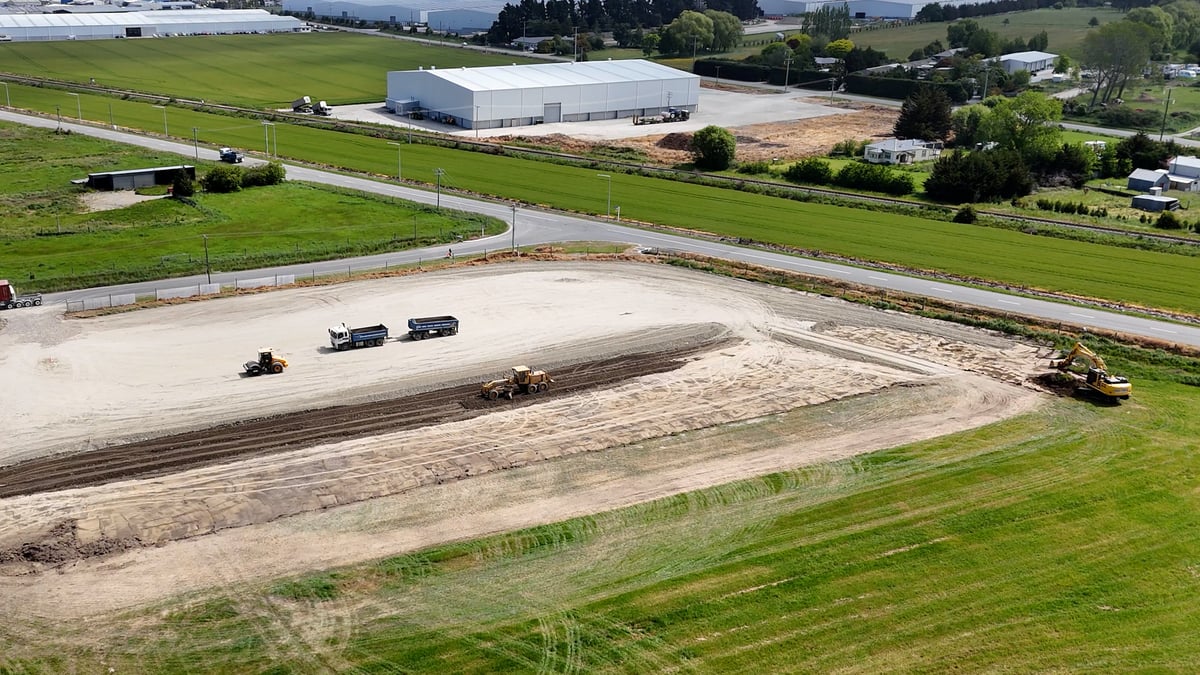
The difference between a manageable site and an expensive one often comes down to how much earth you need to remove and where it needs to go. Landfills treat contaminated soil very differently from clean fill. Each tier of contamination has strict rules and significant disposal fees. A project where you have to cut deeply into the ground, remove large quantities of affected soil, and truck it to a compliant landfill can escalate in cost far beyond the original expectation.
One project example involved a site that looked greenfield but had been used for timber processing decades earlier. The contamination was not severe, but the building platform required significant cut. The volume of material needing disposal drove the cost up. It wasn’t the contamination itself that was the problem. It was the earthworks strategy.
On the other hand, we’ve worked on sites where contamination was isolated to one small corner, easily capped and avoided with minor design adjustments. In another case, land contamination actually made it easier to rezone from productive rural use to industrial, because the soil was no longer suitable for horticulture. In these situations, the contamination didn’t create a deal breaking cost problem; it simply informed the design in a practical way.
How to Manage Contamination Without Blowing the Budget
In many cases, contamination can be handled in ways that don’t break the project. The key is to avoid unnecessary removal of material. This requires collaboration between your geotechnical engineer, contamination consultant, designer, and contractor.
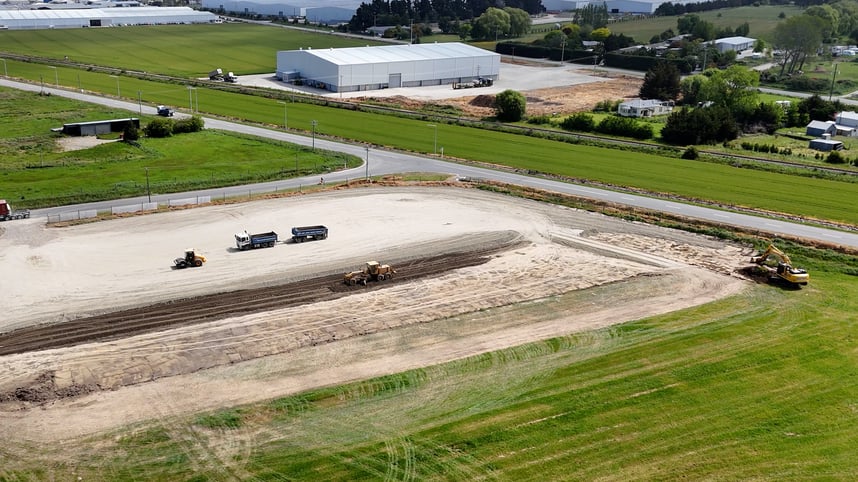
Several practical approaches exist:
- Minimising cut-and-fill to avoid exposing deeper soil layers.
- Reusing material onsite rather than exporting it.
- Capping contamination under hardstand or building structures, a common and accepted approach.
- Reconfiguring building pads or yard layout so earthworks avoid affected zones.
- Shaping bunds or landscape mounds with surplus topsoil to avoid disposal costs.
Councils are generally satisfied as long as you aren’t spreading contamination to other properties and you’re not making the site worse. The idea is containment, not elimination. If the soil can stay on the site under controlled conditions, the solution becomes far more cost-effective.
This is why the combination of consultants and contractors matters. Consultants are good at identifying every possible issue, but the real value comes from asking the right questions to turn those risks into workable options. A consultant who is able to think outside the box, paired with a contractor who understands earthworks and land disposal rules can often find ways to shave off major costs simply by altering how the cut is formed or where fill is placed. A slightly higher floor level or a different yard gradient can reduce excavation significantly. Those changes can remove millions from the risk profile without compromising the building.
How Do I Know the Site Is Actually Contaminated?
A HAIL listing is one signal, but it's not the only one. Good geotechnical testing will often identify if the soil contains contaminants or unexpected fill. The geotech process examines soil layers, groundwater, compaction, and crucially, any unusual material below the surface. If something is there, it usually shows up in the testing.
It is technically possible to have a site with no HAIL history and still uncover an isolated pocket of contamination. Maybe someone dumped oil decades ago, or an old, shed area had machinery leaks that were never recorded. But these situations are rare and generally limited in scale. Once identified, they are usually manageable with targeted remediation or capping.
In practical terms, if:
- the site has no HAIL triggers,
- the property file doesn’t reference industrial use, and
- the geotechnical testing doesn’t reveal anomalies,
your contamination risk is very low.
Where Contamination Creates the Real Risk
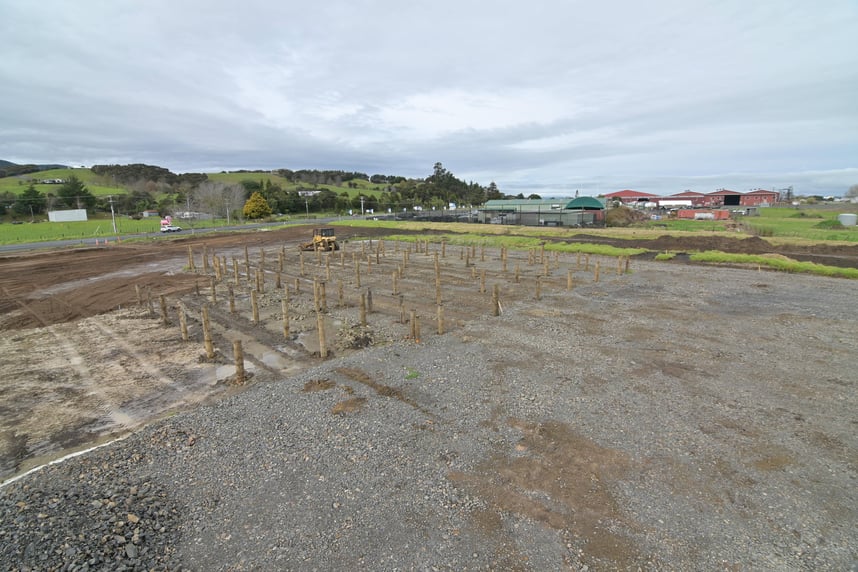
The danger isn’t the contaminant, it’s the interaction between the contaminant and your design.
If your building platform requires deep excavation, if the yard needs major cuts, or if retaining structures force you to dig, the chance of uncovering deeper material increases. This is where the contamination issue becomes a cost issue.
The most expensive scenario is when you discover contamination only after the project starts, and the design requires that material to be moved off site. Disposal costs, additional testing, delays to construction, and consent modifications can ripple through the entire project.
The way to avoid this is straightforward:
- Identify the risk early.
- Get the right people around the table.
- Shape the site strategy in a way that keeps material onsite.
So, How Should You Approach a Potentially Contaminated Site?
Three steps remove most of the uncertainty:
- Check the HAIL register with your local council and the property file to understand historic land use.
2. Get advice on running testing before committing to design or purchase.
3. Bring in both a contamination specialist and a contractor early to develop a design that avoids exporting soil.
With those three steps, most contamination issues become predictable and manageable. The biggest cost is rarely the contamination itself; it’s the lack of early planning that leads to unnecessary removal of material.
The Bottom Line
Contamination doesn’t need to derail your project. What matters is clarity early, and a design strategy that works with the ground instead of against it.
At Attika, we focus on what works: good data, smart collaboration, and practical solutions that make council requirements easier to navigate.
If you’re weighing up a site or want a practical assessment of contamination risk, let’s talk about how to approach it in a way that protects your timeline, your budget, and your build.
If you're interested in discussing your next project, or need assistancetence right from the beginning, our team can help. Contact Attika today to book a meeting with one of our experts.