A cheap lease can become expensive if the building slows down your operation, limits storage, creates poor vehicle flow, or forces your team to work around problems every day.
Existing stock is often the right answer. It can be faster, more cost-effective, and lower risk than starting from scratch.
But for businesses with specific operational needs, growth plans, or limited suitable options in the market, a purpose-built lease can become the smarter commercial decision.
This article looks at when existing stock makes sense, when it starts to cost more than it saves, and when a purpose-built facility is worth considering.
start with exisiting property stock
If there is a suitable building available, leasing it is often the most practical move.
You can move faster. You avoid the complexity of a new build. Your upfront costs are usually lower. You also keep more capital available for staff, equipment, stock, vehicles, technology, or the parts of the business that directly drive revenue.
Existing buildings tend to work well when:
• The size and layout suit your operation
• The location works for staff, customers, suppliers, and logistics
• Any changes required are minor and approved by the landlord
• The lease terms give you enough certainty to plan ahead
If those boxes are ticked, an existing building may be the right answer.
The problem is that many businesses cannot tick all four. That is usually where the question becomes more complicated.
Where existing buildings start to fall short
The main issue with existing commercial and industrial buildings is that they were usually designed for someone else.
They may have been built for a different industry, a different workflow, a different storage requirement, or a different stage of business growth.
For some companies, that does not matter. A standard warehouse, workshop, office, or trade space may do the job well enough.
For others, the wrong building creates friction every day.
That friction might show up through wasted time, poor vehicle flow, inefficient storage, staff working around the building instead of within it, or money being spent on modifications that only partially solve the issue.
Here are the main signs existing stock may no longer be the best option.
1. Your operation has specific requirements
Some businesses cannot operate properly in a generic commercial building.
Cold storage, food processing, and production environments often need specific drainage, hygiene standards, ventilation, temperature control, and compliance considerations built into the design.
Heavy manufacturing may need higher floor loading, crane capacity, larger clear spans, stronger power supply, or higher stud heights.
Aviation, spray booths, chemical storage, bulk storage, vehicle servicing, and specialist workshops all have requirements that can be difficult or expensive to retrofit into an existing building.
At that point, the building is no longer a neutral cost. It starts shaping how efficiently the business can operate.
If you are spending significant money modifying a building you do not own, or your team is constantly working around its limitations, the cheaper lease may not be as cheap as it looks.
2. There is no suitable stock available
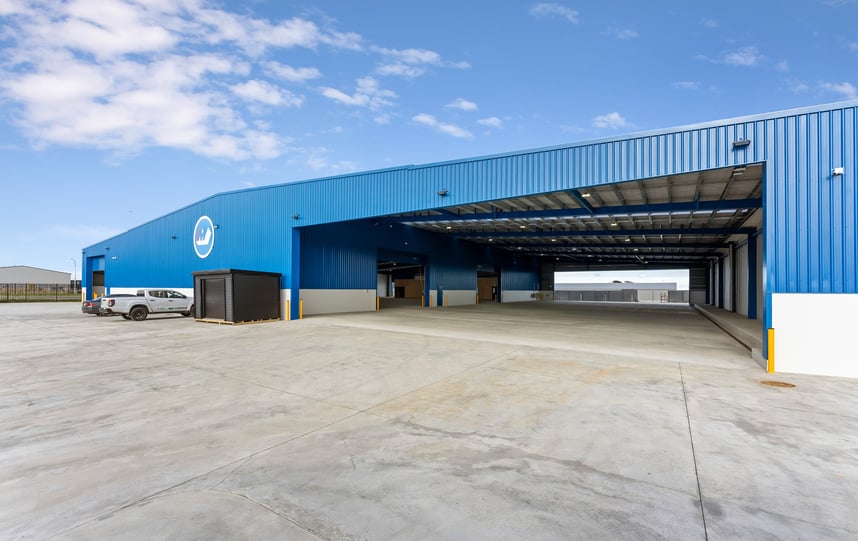
In some parts of New Zealand, especially regional centres and growing industrial areas, suitable commercial and industrial space can be hard to find.
There may be very little available. What is available may be outdated, too small, too large, poorly located, or not configured for the way modern businesses operate.
This is particularly common for businesses that need yard space, high-stud warehousing, specialist workshop layouts, drive-through access, heavy vehicle movement, or expansion capacity.
When the market cannot provide a workable option, purpose-built stops being a “nice to have” and becomes a practical pathway.
The question then becomes whether the business should own the building, or lease a purpose-built facility from a developer or investor.
Read: Owning VS Renting my commercial premises, what is best for me?

3. The compromises are costing more than you realise
This is where businesses need to be honest with themselves.
A building can look affordable on paper while quietly costing the business money every week.
A warehouse that is too tight may mean staff are double-handling stock. A yard that is too small may slow down every truck movement. A poorly ventilated manufacturing space may reduce productivity in summer. A low-stud warehouse may limit racking height and force the business to lease more floor area than it should need.
Those costs do not always appear clearly in the lease agreement.
They show up as labour inefficiency, slower dispatch, more handling, lost storage capacity, damaged stock, staff frustration, or reduced output.
Over a five or ten-year lease, those costs compound.
If the building is making the business work harder than it should, it is worth putting numbers around that impact before assuming existing stock is the cheaper option.
4. Your growth is starting to outpace the market
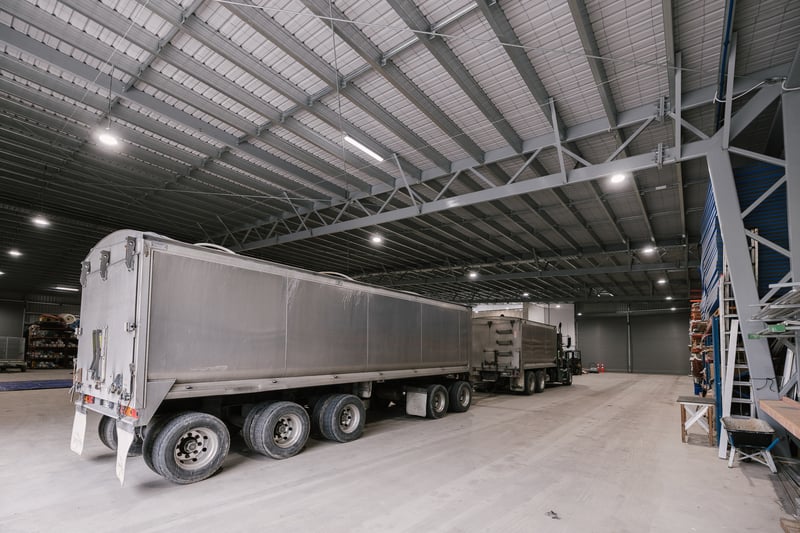
Sometimes the issue is not the space you need today. It is the space you will need in three years.
If you are planning to expand production, bring on new equipment, add a service line, grow your fleet, increase storage, or take on larger contracts, a building that already feels tight may create another problem quickly.
A short-term lease can make sense when the future is uncertain.
But if the growth path is clear, leasing a building that cannot support that growth may simply delay the real decision.
A purpose-built facility gives you the opportunity to design around where the business is heading, not only where it is now.
That does not mean overbuilding. It means thinking carefully about the next stage of the business before locking into a lease that limits your options.
What does a purpose-built lease involve?
A purpose-built lease does not always mean you buy the building.
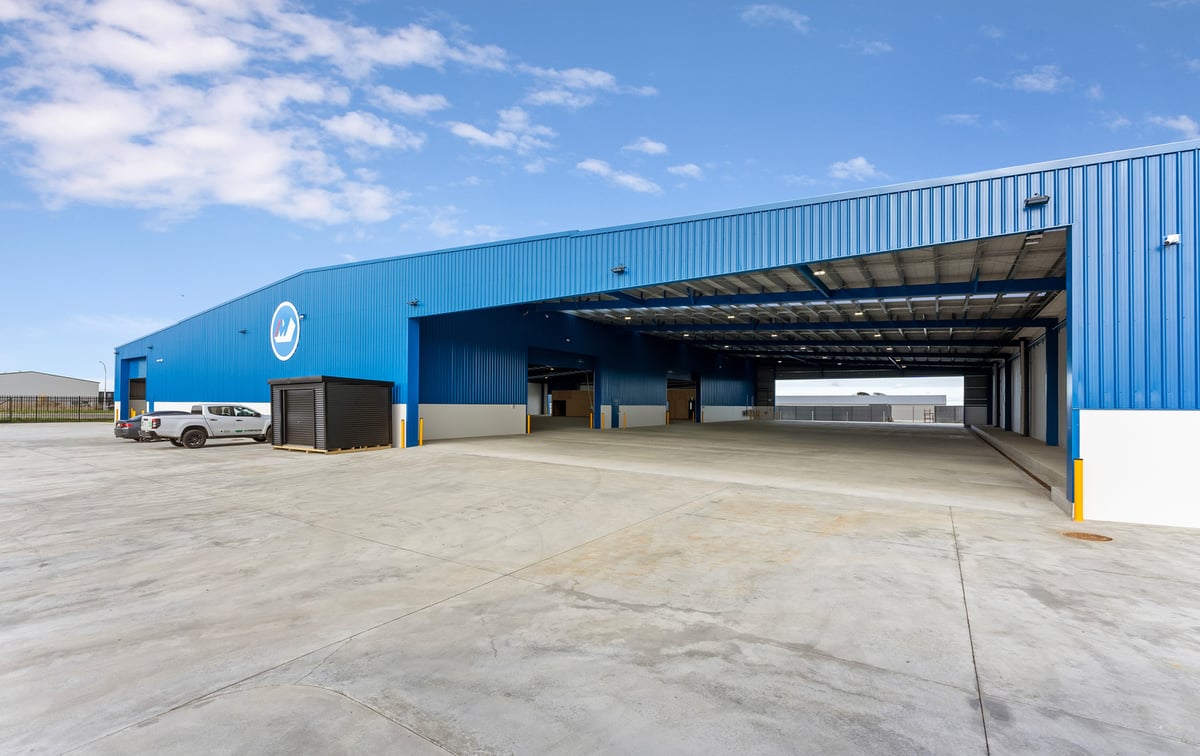
One common structure is a design-and-build lease arrangement. In simple terms, a developer or investor funds the construction of a building designed around your business requirements, then leases it back to you on a long-term agreement.
You get a facility that is designed around your operation. The developer carries the capital cost. You pay rent.
For the right business, that can be a strong option. It gives you the operational benefits of a purpose-built building without tying up capital in land and construction.
But there is a trade-off.
Purpose-built leases usually require longer lease terms. Ten to fifteen years is common, often with rights of renewal. The developer needs that certainty to justify the cost of building for a specific tenant.
That is a serious commitment. Before signing, you need confidence that the building, location, rent, and lease structure will support the business over the long term.
Five signs purpose-built may be worth exploring
A purpose-built facility is not the right answer for every business.
It is worth considering when several of the following apply.
1. Your requirements are not standard
You need specific stud heights, floor loading, power supply, environmental controls, clear spans, drainage, yard layout, vehicle access, or specialist compliance features that existing stock cannot easily provide.
2. The market has not produced a viable option
You have looked properly. You have waited. You understand what is available in your area, and nothing genuinely works.
3. The current compromises have a measurable cost
You can see how the wrong building is affecting productivity, labour, vehicle movement, storage, dispatch, compliance, or customer service.
4. You expect to stay long term
Purpose-built leases usually require long-term commitment. If your business may change direction quickly, that commitment can become a risk.
5. The business can support the rent
A purpose-built facility will usually cost more per square metre than older existing stock. The business needs enough margin to carry that cost comfortably, not only during strong trading periods.
Once purpose-built makes sense, should you own or lease?
This is a separate decision, and it matters.
Owning a purpose-built facility can give you control, equity, and a long-term asset. It may suit businesses with strong capital positions, stable growth, and a clear property strategy.
Leasing a purpose-built facility can give you operational certainty without tying up capital. It may suit businesses that want to keep funds available for growth, equipment, people, or working capital.
Neither option is automatically better.
The right answer depends on your financial position, appetite for debt, growth plans, and how you want property to sit within your wider business strategy.
Read more: Should I build or buy a commercial building?
Read more: How property investors think about property and what business owners can learn
The decision in plain terms
Start with existing stock as it’s usually faster, cheaper, and simpler.
But look seriously at purpose-built when:
• Existing buildings cannot meet your operational requirements
• There is no suitable supply in your market
• The building you are in is creating hidden costs
• Your growth plans need more certainty than the current market can offer
The wrong building can quietly limit a business for years. The cheapest lease is not always the lowest-cost option once productivity, labour, storage, compliance, and growth constraints are factored in.
The aim is not to build for the sake of building.
It is to make sure the property decision supports the business you are actually trying to run.
Thinking about a purpose-built facility?
Attika helps business owners across New Zealand work through what they need from a commercial or industrial building, and whether an existing, purpose-built, owned, or leased option makes the most sense.
If you are weighing up your next move, talk to the team.