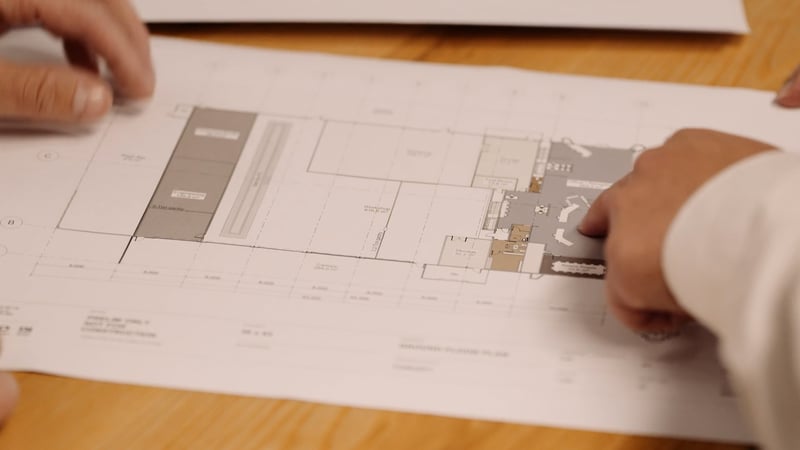
Each contractor receives the same drawings and specifications. The prices can be compared. Competitive tension should encourage each bidder to sharpen its number.
That process can be effective, but it does not guarantee the best value.
Tendering tests how competitive contractors will price the design they have been given. It does not automatically test whether that design was the most efficient way to meet the brief.
If unnecessary cost has already been designed into the building, a competitive tender may simply produce the lowest price for an expensive solution.
Are you really comparing the right apples?

The phrase “apples for apples” is often used during tendering.
A complete tender package improves comparability. It reduces the chance that one contractor has included work another has missed and gives the client a clearer basis for assessing scope, exclusions, allowances and programme.
The problem is that all bidders may still be pricing the wrong apple.
A structural system may be heavier or more complex than the building requires. The grid may create inefficient spans. A façade detail may be difficult to fabricate and install. Imported finishes may have been specified where a readily available alternative would perform just as well. Services, fire systems or internal fit-out may have been carried forward from previous projects without being properly challenged.
Every contractor can price those items accurately. That does not make the underlying design efficient.
Who is accountable for design efficiency?

An architect or consultant team is usually appointed to deliver the brief, coordinate the required information, and achieve consent.
Cost efficiency can form part of that role, but the design team may not have direct access to live subcontractor rates, supplier availability, fabrication constraints or the contractor’s construction programme.
Without that input, decisions may be based on professional judgement, precedent, or historic pricing. Those decisions can be perfectly reasonable at the time and still prove expensive when tested in the current market.
The key question is whether anyone has been responsible for testing the design against the way the building will be bought, fabricated and constructed.
If the answer is no, the first full commercial test may happen at tender. By then, the project may already have completed detailed design, consultant coordination and consent documentation.
Why value engineering after tender is harder
When tender prices come back above budget, the usual response is value engineering.
The team reviews the design, identifies savings and asks contractors to reprice. Some projects recover successfully from this point.
The process is still less efficient than testing options earlier.
Changing the structure, cladding, fire strategy, services or layout after tender can require redesign and further consultant work. Consent documents may need to be updated. Contractors must revisit their pricing. Programme assumptions can move, and the client may need to make rushed decisions to avoid losing time.
A tendering contractor also has limited reason to invest heavily in redesign before being appointed. A contractor, quantity surveyor and project manager involved during concept design can compare options before the documentation becomes fixed.
What should happen before the design is locked in?
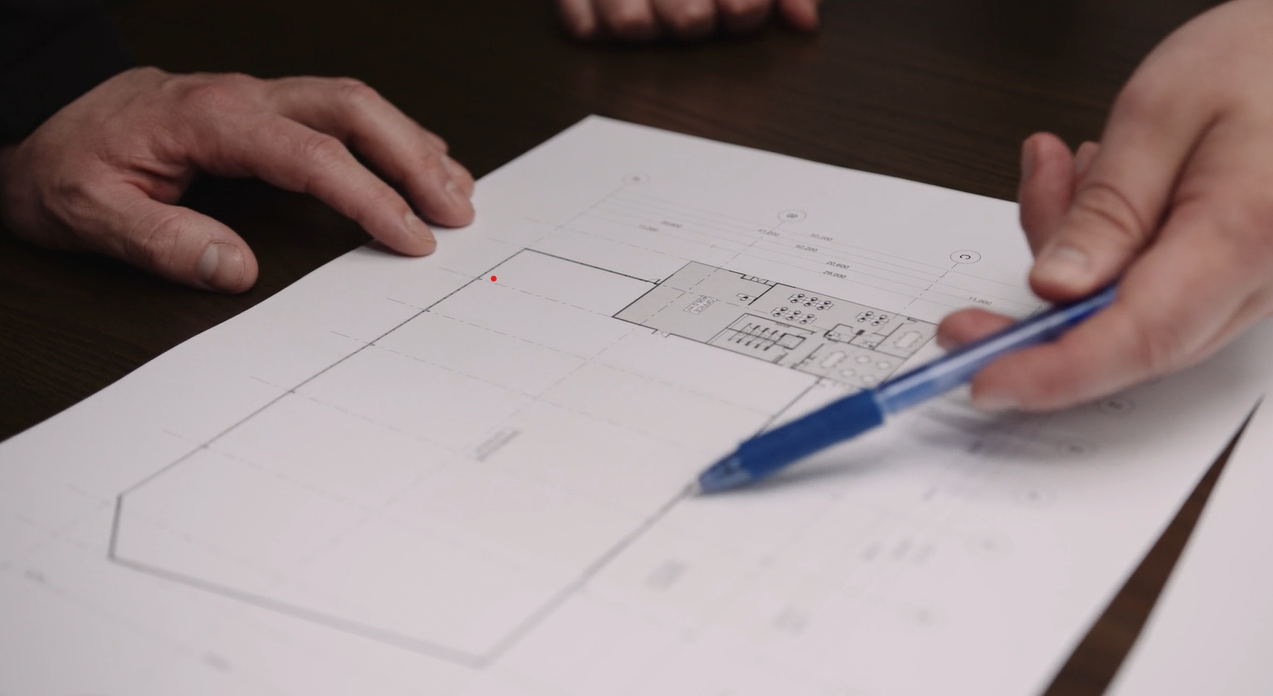 The strongest cost savings are often found in the basic design decisions.
These include the building position, floor level, structural grid, foundation strategy, office configuration, fire approach, cladding system and construction sequence.
At concept stage, the team can still ask broad questions.
Could moving the building reduce retaining? Could different portal spacing improve steel efficiency? Could an adjusted finished floor level reduce civil work? Is a premium finish important here, or would the client rather invest elsewhere?
A quantity surveyor can price the options. Relevant subcontractors can test specialist elements. The project manager can assess programme and procurement. The architect can then develop the preferred solution with a clearer understanding of its commercial effect.
This is where design and build can create value before a construction price is agreed.
Does an integrated process remove competitive tension?
It should not be. A client is entitled to understand how the price has been built up and whether it reflects the market.
An integrated process can still include:
- detailed cost plans at agreed design stages
- benchmarking against comparable projects
- a declared contractor margin
- clear allowances and exclusions
- independent quantity surveying advice
- competitive pricing of major trade packages
The important distinction is that price transparency begins while the design can still change.
The client can see the cost of each option before the next stage. If the brief evolves, changes can be priced individually rather than appearing later as one large, unexplained variation.
A clear contract is still essential. So is a team that is willing to show its workings and discuss changes openly.
What should you ask before choosing a procurement route?
Before deciding to design first and tender later, ask:
- Who will test whether the design is efficient to build?
- When will real life contractor, supplier and subcontractor input be introduced?
- Who is accountable for keeping the design aligned with the budget?
- What happens if the tender prices exceed the cost plan?
- How much redesign would be required at that point?
- Can major design options be priced before they are documented in detail?
- How will competitive tension and price transparency be maintained?
- How will changes be priced and approved as the design develops?
The right procurement route depends on the project and the client’s capability. A traditional design and tender model can work well when its risks are actively managed.
It should not be selected on the assumption that tender competition will correct an inefficient design.
The bottom line
Competitive tendering can sharpen a contractor’s price.
It cannot recover all the money that was committed through poor design decisions before the tender began.
The best commercial outcome comes from combining design quality, current market feedback, buildability and transparent pricing early enough for the client to act on the information.